


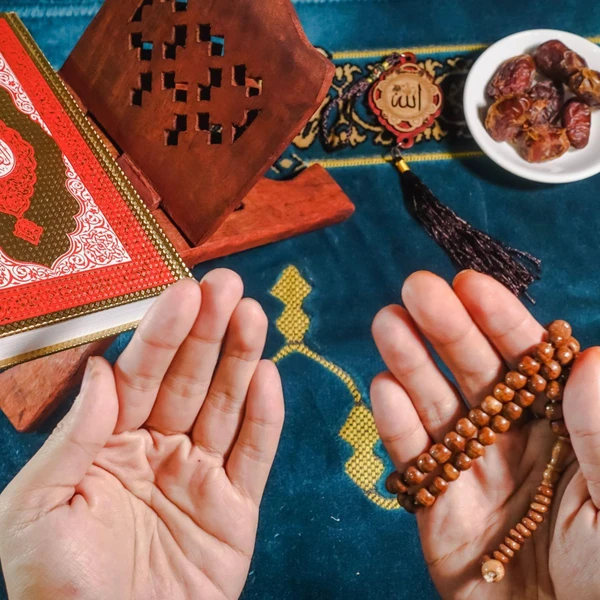
Ashura confuses a lot of Muslims, honestly. You’ll hear the word thrown around every Muharram, but the “why” behind it gets murky fast some of that comes from genuine history, some of it comes from customs that have nothing to do with what the Prophet ﷺ actually taught. Here’s what the day actually is, where it comes from, and what you’re supposed to do with it.
What Is Ashura Day in Islam?
Ashura is the 10th of Muharram, the first month on the Islamic lunar calendar. The Prophet ﷺ fasted this day and told his companions to do the same.
The reason goes back to Musa (Moses) عليه السلام. When the Prophet ﷺ moved to Madinah, he noticed the Jewish community there fasting on this date. He asked why, and they told him: it marks the day Allah rescued Musa and the Israelites from Pharaoh. His response was that Muslims had more claim to Musa than they did so he fasted, and told the Muslims to fast too. Both Bukhari and Muslim record this.
When is Ashura?
The 10th of Muharram, every year. But because the Islamic calendar runs on the moon rather than the sun, that date drifts across the Gregorian calendar it’s roughly 11 days earlier each year. So Muslims track it by the Islamic calendar, not by checking a fixed date on their phone.
Why Is Ashura Important in Islam?
Ibn Abbas رضي الله عنهما said he never saw the Prophet ﷺ chase after fasting any single day the way he went after Ashura Ramadan aside. That alone tells you how much weight it carried for him.
There’s also the broader context of Muharram itself. The Quran says four months out of the year are sacred, and Muharram is one of them.
Ashura and the story of Musa
The hadith ties directly back to Musa عليه السلام the day marks Allah pulling him and his people out from under Pharaoh, and the Prophet ﷺ fasted in response to that. It’s not just a date on a religious calendar. It’s a specific reminder that Allah delivers people from oppression, and that gratitude for that deserves a response.
What Happened on the Day of Ashura?
Same story again, from a slightly different angle: the Jews of Madinah fasted because Musa did, out of gratitude. The Prophet ﷺ said Muslims were closer to Musa and fasted himself.
Worth noting the Quran doesn’t name Ashura or spell out the fasting. All of that comes from hadith, not from the Quran directly.
The lesson of gratitude
Musa عليه السلام was up against a genuinely brutal ruler, and Allah still found him a way out. That’s the point people are supposed to sit with on this day not the ritual of fasting by itself, but what it’s pointing to: trust Allah when things look impossible, and keep obeying Him regardless.
How Should Muslims Observe Ashura?
Fast. That’s really the core of it. The Prophet ﷺ fasted this day and told others to as well. Once Ramadan became obligatory, Ashura shifted to voluntary but he kept fasting it, and so do Muslims today.
Fasting on the 9th and 10th of Muharram
The Prophet ﷺ said that if he lived to see the next Muharram, he’d fast the 9th along with the 10th he’d noticed Jews and Christians also marked the day, and wanted to distinguish the Muslim practice. He died before that next Muharram came. This is in Sahih Muslim, and it’s why fasting both the 9th and 10th is common practice now. (Some scholars talk about pairing the 10th with the 11th instead but the clearest evidence points to the 9th.)
What Is the Reward for Fasting Ashura?
Abu Qatadah رضي الله عنه reported that the Prophet ﷺ hoped fasting Ashura would wipe out the sins of the year before it. That’s a real incentive but it shouldn’t turn into an excuse. One fast doesn’t replace showing up for your prayers, fasting Ramadan, treating people fairly, or actually avoiding sin the rest of the year.
What does expiation mean?
Scholars read this as covering minor sins not the major ones, which need actual repentance, not just a fast. So use the day to seek forgiveness, not as a loophole for bad habits you’re not planning to fix.
Is Ashura a Public Holiday or Eid?
No. The Sunnah here is fasting, full stop the Prophet ﷺ never treated it as a third Eid alongside Eid al-Fitr and Eid al-Adha. Whatever local customs exist around Ashura in different cultures, they’re separate from what’s actually established in the Sunnah.
What should Muslims avoid?
Mainly: don’t assign religious meaning to things without evidence. Fasting is what’s documented. There’s no need to add rituals on top of that just because the day feels significant.
Is Ashura Connected to Karbala?
Yes, historically Husayn ibn Ali رضي الله عنهما, the Prophet’s grandson, was killed at Karbala on the 10th of Muharram in 61 AH. But that happened decades after the Prophet ﷺ had already established fasting Ashura, during a later period of conflict within the Muslim community. The two events are connected by date, not by religious instruction they shouldn’t be merged into one thing.
Ashura in the Prophetic Sunnah
The fasting practice comes from the Prophet’s own lifetime. Karbala came later, in a different political era entirely. For Sunni practice, the anchor is the fasting 10th of Muharram, with the 9th added based on what the Prophet ﷺ said he intended to do.
What Should Muslims Do on Ashura?
Nothing complicated. Fast, and treat it like any other day of worship:
Pray on time
Read Quran
Make dua
Give charity
Remember Allah
Repent
Learn something
If you’ve been meaning to build a regular Quran habit, Muharram is a reasonable point to start. If you are working on improving your Quran reading, regular Quran reading practice can fit naturally into your routine throughout Muharram.
Also read about: how many verses in the Quran
Should you make a special dua for Ashura?
There’s no hadith prescribing a specific dua just for this day. Ask Allah for whatever you need forgiveness, guidance, mercy. Don’t attach a formula to the day that isn’t actually documented.
Ashura and Quran Learning
Fasting tends to slow people down, which makes Muharram a natural time to spend more time with the Quran. Doesn’t have to be much a few pages read consistently beats an ambitious plan you abandon by day five.
Learning with children
With kids, skip the date-focused explanation and tell them the story instead Musa عليه السلام, Allah protecting his people, why Muslims fast. That sticks better than “it’s the 10th of Muharram.”
Children who are developing their Quran skills can benefit from structured Quran lessons for kids that combine reading with age-appropriate Islamic learning.
Making Muharram a Month of Worship
Ashura doesn’t stand alone it sits inside Muharram, one of the four sacred months the Quran mentions:
“Of these, four are sacred. That is the correct religion, so do not wrong yourselves during them.” (Quran 9:36)
The Prophet ﷺ also called fasting in Muharram the best voluntary fasting after Ramadan. Nobody’s expected to fast the whole month but there’s clear value in doing more than usual.
Build a consistent routine
A few things worth actually doing, not just reading about:
Fast Ashura
Add the 9th
Read some Quran daily
Keep up with dua
Review what you’ve memorized
Give what you can in charity
Learn from sources you trust
Ashura for Adults and Families
Adults have jobs and kids and everything else competing for time, so this doesn’t need to be a production. Make the intention, fast, go about your day, and use the spare moments you do have for worship.
Learning together
This works well as a family thing too read the story of Musa عليه السلام together, talk about what it means to trust Allah, then talk about why the fast exists. Group study a halaqa, for instance adds accountability if you want it.
For those who are also improving their recitation, Tajweed lessons can be part of a broader Quran routine.
Common Misunderstandings About Ashura
A few things get muddled every year:
Ashura is not an obligatory fast it was, until Ramadan took over that role. Bukhari records this directly.
Fasting isn’t tied to one culture it’s Sunnah, open to any Muslim anywhere, regardless of background.
Not every Ashura custom is Sunnah some communities have built food traditions or ceremonies around the day. That doesn’t make them religiously mandated. If you’re not sure whether something’s actually part of the practice, check it against the Quran and authentic Sunnah before assuming it is.
Conclusion
Ashura is the 10th of Muharram, and the clearest thing tied to it in the Sunnah is fasting something the Prophet ﷺ did himself and asked others to do, connected to Allah rescuing Musa عليه السلام from Pharaoh. He also planned to fast the 9th alongside it, which is why most people fast both days now.
There’s no need to overcomplicate it. Fast, pray, read Quran, ask for forgiveness. That’s the whole practice.
Also read about: online Quran classes for sisters
FAQs
Why do Muslims fast on Ashura?
Because the Prophet ﷺ fasted it and told others to. It marks Allah saving Musa عليه السلام and his people from Pharaoh.
Is fasting Ashura obligatory?
No it became voluntary once Ramadan was made obligatory.
Should I fast the 9th and 10th of Muharram?
Yes, based on the Prophet’s stated intention to fast the 9th, which he didn’t live long enough to carry out.
What is the reward for fasting Ashura?
The Prophet ﷺ said he hoped it would expiate the sins of the previous year.
Is Ashura an Eid?
No. The established practice is fasting, not celebration.
Is Ashura connected to Prophet Musa?
Yes the hadith ties it directly to Allah’s rescue of Musa and the Israelites.
Can I fast only on the 10th of Muharram?
Yes, that’s the core practice on its own. Adding the 9th is a separate, additional Sunnah.
Is there a special dua for Ashura?
No specific dua is established for the day. General dua is fine.
What else can I do on Ashura?
Pray, read Quran, give charity, repent, learn. No need to invent anything beyond that.