


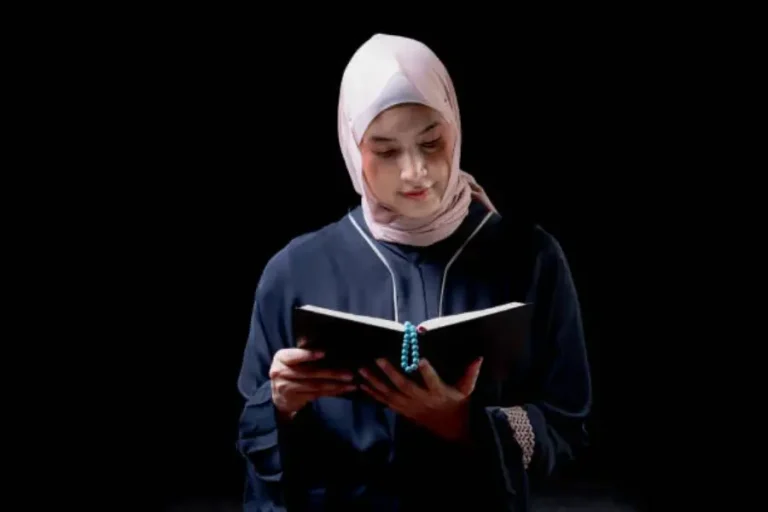
What does the Quran say about women’s rights? It is As they are spiritual equals to men, and they are entitled to rights that were revolutionary during the revelation of the Quran, the principles that are provided in the Quran form the foundation that governs Muslim societies even in the contemporary era. The Quran, instead of lowering the worth of a woman, insists on justice, kindness, and modesty.
Women in Islam
Islam acknowledges women as full moral agents, responsible for their own actions and rewarded according to their deeds. Before Islam, many cultures denied women inheritance, autonomy, and basic dignity. Islam transformed these norms by granting women legal, social, and economic rights, many of which were not recognized by other civilizations until centuries later. Women in Islam were given the right to own property, seek education, work, choose a spouse, receive inheritance, and participate in community matters.
What Does the Qur’an Say About Women?
The Quran gives women a noble ranking, spiritual equality, and a needed part of society. It addresses women with respect, their moral agency, and gives them rights never before seen during the revelation period. Instead of diminishing the value of a woman to a culture, the Quran discusses women as people who are intelligent, hold faith, are responsible, and emotional.
- Women and Men are formed out of the same soul.
Among the most basic Quranic teachings is the fact that women and men have the same spiritual origin:
- He has made you out of one soul. (Qur’an 4:1)
- This verse defines that gender does not show the value or closeness of a person to Allah.
- Women’s Equality to men spiritually.
Many times, the Quran points out that the same applies to reward and accountability:
Yes, the Muslim men and Muslim women, the righteous men and righteous women, Allah has made it to them forgiveness and a great reward.
In this case, women are enlisted along with men in worship, moral excellence, and reward.
- Women receive rights and protection.
The Quran guarantees women their rights, which were radically new at that period:
- The right to inherit
- The right to own property
- The entitlement to be gifted with marriage (mahr).
- The right to consent to marital unions.
- The right to seek divorce
- The right to fair treatment
- The right (strengthened in the Sunnah)
These rights demonstrate that Islam aimed to elevate women out of the oppression of the pre-Islamic practices.
- Women Are Honored as Mothers
The Quran teaches kindness towards parents, and particularly the mother, because they make sacrifices during pregnancy and delivery.
His mother caused him torment and bore him torment. (Qur’an 46:15)
This is a lesson in profound respect for the motherhood profession.
- Women are identified as being unique.
The Quran emphasizes the traits, personalities, and strengths of women, indicating examples like:
- Mary, of purity and piety praised.
- The Queen of Sheba was described as being very intelligent and a leader.
- Women and the wives of prophets also played a vital role in the history of Islam.
- These narrations demonstrate that the Quran recognizes the wisdom of women, their leadership, and spiritual perfection.
- Modesty and Fidelity of Women are safeguarded.
The Quran teaches modesty in both men and women, and this is to maintain dignity, save honor, and form respectful relations with others.
- The Islamic Religion does not discriminate against women.
The Quran does not say anywhere that women are lesser or stupid. It continually highlights:
- Their capability to reason
- Their autonomy of choice.
- The sameness of their sanctity and good works.
- Their status as moral beings in society.
What Does the Qur’an Say About Women’s Rights?
The Quran provides a solid base of rights of women, most of which were groundbreaking in 7th-century Arabia and are applicable in the present day. On the Iqra website, you will know that these rights are on spiritual, social, economic, marital, and legal aspects of life, with priority that women are human beings and dignified in their autonomy and accountability. Instead of its devaluation, the Quran supports fairness, equality, and compassion towards women.
- Spiritual Equality
The Quran takes several instances to mention that men and women are equal in terms of spiritual abilities, responsibility, and reward:
- He said, whoever does good deeds (be it male or female) and is a believer, we will undoubtedly grant them a good life. (Quran 16:97)
- Women and men are equal before Allah and are judged by nothing other than righteousness.
- Right to Educational and Moral Development.
Although the Quran is an invitation to knowledge to all believers, the Sunnah complements this demand. Women have the complete responsibility for their religion and personal development.
- Economic Rights
The Quran gives women complete financial autonomy:
- Right to own property (Qur’an 4:4)
- Right to retain earnings- the income of a woman is hers only.
- Right to inheritance (Qur’an 4:7)
- Personal right to take marriage gift (mahr).
- Right to be supported by her husband, notwithstanding her being wealthy.
- These were women who were not reliant or exploited by the male family members.
- Marital Rights
The Quran has defined marriage as a union that is founded on charity and benevolence:
And among the signs of Him is that He made you mates… and He put between you affection and mercy. (Qur, 30:21)
The rights of women in marriage entail:
- The right to choose a spouse
- The right to make marriage.
- The right to a fair dower (mahr)
- The privilege of being treated kindly and justly (Qur’an 4:19)
- The freedom to divorce according to Islamic law.
- The freedom to have their own property and money identity.
- Immunity against Abuse and Violence.
In the Quran, the mistreatment of women is prohibited, and justice is ordered:
Do not persecute them to persecute them.
Abuse of women, whether physical, emotional, or financial, is not allowed in Islam.
- Social and Legal Rights
The Qur’an grants women:
- The freedom to be involved in social life.
- The right of carrying commerce and contracts.
- The privilege to give evidence on legal matters (contextually modified to fit truth, not worthiness).
- The right to inherit, which the pre-Islamic Arabs rejected.
- Many of the modern societies have not granted women a legal identity other than that of men.
- Right to Modesty and Privacy
Both men and women in the Quran are also told to be modest to be dignified, safe, and social (Qur’an 24:3031). These are the principles that point out self-respect and not restriction.
- Protection of Daughters
The Quran severely criticized a culture that undermined the value of daughters:
- Kill not your children if you are afraid of poverty (Qur’an 17:31).
- This verse ended the pre-Islamic tradition of burying infant girls and enhanced the position of daughters.
- Right to Dignity and Respect
The Quran asks men to treat women humanely:
- They (women) have rights like those above them.
- This creates an interdependence of equality and accountability.
What Does the Qur’an Say About Women’s Modesty?
1. Modesty Begins With the Heart and Conduct
Before addressing clothing, the Qur’an first commands women (and men) to practice inner modesty:
“Tell the believing women to lower their gaze and guard their chastity…” (Qur’an 24:31)
This instruction highlights that modesty starts with self-discipline, respect, and purity of intention.
2. Modesty in Dress
The Qur’an provides specific guidance on how women should dress in public:
“…and not display their beauty except what [normally] appears thereof…” (Qur’an 24:31)
This verse is interpreted by scholars to encourage women to dress in a way that is not provocative, excessive, or revealing. The exact style varies by culture, but the principle is consistent: clothing should reflect dignity and modesty.
3. Covering the Body
The continuation of the same verse emphasizes covering areas that may attract inappropriate attention:
“…and to draw their khimār over their chests…” (Qur’an 24:31)
The khimār refers to a head-covering that women in Arabia already wore, and the Qur’an instructed them to extend it to cover the chest area. This verse forms the basis of the Islamic principle of covering the body modestly.
4. The Purpose of Modesty: Protection and Respect
Another important verse addresses modesty to ensure women are recognized as honorable and respectable:
“O Prophet, tell your wives, your daughters, and the believing women to bring down over themselves part of their outer garments. That is more suitable so that they will be recognized and not harmed.” (Qur’an 33:59)
This teaches that modesty serves as:
- A form of protection
- A recognition of dignity
- A marker of respectful, upright behavior
It aims to elevate women’s social standing and reduce opportunities for harassment.
5. Modesty in Speech and Interaction
The Qur’an also advises women to maintain respectful and appropriate communication:
“…do not be soft in speech, lest he in whose heart is disease should covet…” (Qur’an 33:32)
This does not prohibit women from speaking normally, working, or participating in society. Rather, it sets a tone of professionalism, clarity, and dignity in communication.
Qur’an Verses on Women’s Respect
Several verses highlight the respect due to women:
- “And live with them in kindness.” (Qur’an 4:19)
- “For them (women) are rights similar to those over them.” (Qur’an 2:228)
- “Your Lord has decreed that you worship none but Him and that you be kind to your parents.” (Qur’an 17:23) – emphasizing respect for mothers.
These verses stress compassion, fairness, and mutual responsibility.
Also read about: basic beliefs of Islamic religion
Women’s Rights in Islam Hadith
Prophet Muhammad ﷺ reinforced Qur’anic teachings through his actions:
- “The best of you are those who are best to their wives.” (Tirmidhi)
- He encouraged women to seek knowledge and participate in society.
- He prohibited the pre-Islamic practice of treating daughters as inferior.
The Sunnah shows women as scholars, warriors, entrepreneurs, and leaders.
Are Men and Women Equal in Islam?
Islam teaches that men and women are spiritually equal:
“Indeed, the most noble of you in the sight of Allah is the most righteous of you.” (Qur’an 49:13)
Equality does not mean sameness; rather, Islam recognizes the biological and social differences between genders and assigns complementary roles based on justice and balance.
Does Islam Treat Men and Women Differently?
Islam does differentiate between men and women in some responsibilities—not due to superiority, but due to functional differences and balanced social structure. For example:
- Men bear the financial responsibility for the family.
- Women are not obligated to spend on the household.
Differences exist, but both roles are valued and essential.
Qur’an Verses About Women’s Empowerment
The Qur’an empowers women by emphasizing:
- Spiritual equality (33:35)
- Right to knowledge
- Right to inheritance (4:7)
- Right to choose a spouse
- Right to divorce in certain cases
Women such as Maryam and the Queen of Sheba are presented as symbols of wisdom and leadership.
Also read about: Islamic boy names from Quran a to z
Qur’an Verses About Women Covering
The Qur’an instructs believing women to draw their garments over themselves for modesty (33:59) and not to display their beauty except to certain family members (24:31). These verses emphasize dignity, safety, and modest conduct—not suppression.
Does the Testimony of a Woman Weigh Less Than a Man’s?
This depends on the legal context:
- In personal financial documents, the Qur’an recommends two women as witnesses to support each other (2:282).
- In many other matters—such as birth, breastfeeding, and women’s affairs—the testimony of one woman is sufficient and superior to a man’s testimony because she has firsthand knowledge.
Islamic law prioritizes accuracy, not gender.
Are Sons More Valuable in Islam Than Daughters?
No. The Qur’an condemns the pre-Islamic practice of preferring sons over daughters. Islam teaches that daughters are a blessing:
- “Whoever raises two daughters well, they will be a shield for him from Hell.” (Hadith)
Prophet Muhammad ﷺ himself fathered daughters and honored them deeply.
Rights of a Woman in Islam Marriage
Women have significant marital rights, including:
- The right to choose a spouse
- The right to a dowry (mahr)
- The right to kindness, respect, and maintenance
- The right to seek divorce
- The right to keep their property and earnings
Marriage in Islam is a partnership built on mercy and compassion.
How Did Islam Impact Women’s Role in Society?
Islam transformed women’s roles by giving them:
- Legal identity
- Economic independence
- Access to education
- Participation in public life
- Protection from exploitation
- Rights in marriage and family matters
Historical Muslim women served as scholars, traders, warriors, poets, and political leaders.
Conclusion
The Qur’an provides a comprehensive framework that honors women, protects their rights, and elevates their status. Islam grants women dignity, autonomy, and spiritual equality while recognizing the unique strengths of both genders. Islamic teachings continue to empower Muslim women worldwide and affirm their essential role in family, society, and faith.
FAQs
1. Does the Qur’an give women the right to education?
Yes. Seeking knowledge is obligatory for both men and women.
2. Can Muslim women work?
Yes, as long as the work environment is permissible and modesty is maintained.
3. Does Islam allow women to inherit?
Yes, the Qur’an grants women fixed shares of inheritance.
4. Can women own property in Islam?
Absolutely. A woman’s wealth is solely hers.
5. Are women allowed to participate in community and religious life?
Yes. Women attended mosques, learned from the Prophet ﷺ, and participated in social affairs.