


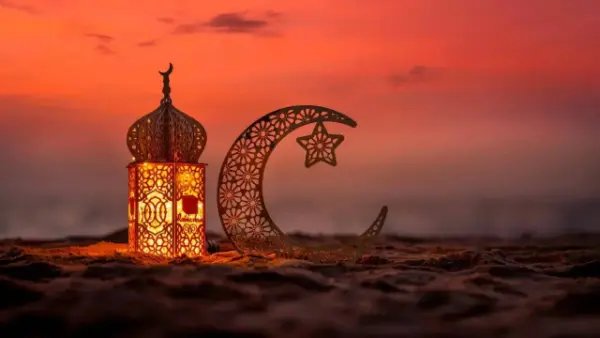
The last ten days of Ramadan contain the most holy and spiritual moments of the entire Islamic calendar. The nights of this period offer people the opportunity to receive unlimited blessings and mercy while they seek forgiveness. The night of Laylat al-Qadr exists as the most valuable night that people will experience during their entire lifetime. Muslims around the world dedicate themselves to deepening their prayers and worship activities during the Ramadan last 10 days which enable them to achieve better connections with Allah while they use their time until Ramadan ends.
The Significance of the Month of Ramadan
The month of Ramadan holds special importance because it serves as the Islamic period of fasting. Ramadan stands as the ninth month of the Islamic lunar calendar which holds greater importance than any other time in Islam. The Quran serves as the divine guidance which was revealed to all human beings during this month.
The Islamic doctrine requires believers to observe fasting during this month which counts as one of its Five Pillars. The Prophet Muhammad (PBUH) explained that during Ramadan the gates of heaven remain open while Hell’s gates stay closed and demons get restrained. Muslims dedicate themselves to extra prayer, Quran reading, charity work, and Allah remembrance during this sacred month, besides their observance of fasting.
When Are the Ramadan Last 10 Days of Ramadan 2026?
The last ten days of Ramadan will begin on March 10, 2026, and end on March 19 of that year. The end of Ramadan 2026 is projected to be on March 19/20, 2026 (depending on sighting of the moon). According to this, the ramadan last days would fall on:
21st night: Around March 11, 2026
23rd night: Around March 13, 2026
25th night: Around March 15, 2026
27th night 28th night: March 17, 2026 (probably Laylat al-Qadr)
29th night: Around March 19, 2026
Note that these dates are subject to change depending on which area you live in as the local mosque or Islamic official will have to be able to tell you the exact dates.
What Are the Last 10 Days of Ramadan Called?
The final ten days of Ramadan receive the name Ashr which means ten in Arabic. The people practice Itikaf which refers to their spiritual seclusion during this period while the period connects to Laylat al-Qadr -the Night of Power or Night of Decree.
This night is on one of the odd-numbered nights of the final ten days, no one really knows on which day it falls, which is why believers worship all ten days without taking any break on a single night.
Also read about: best Surah to read in Ramadan
How to Incorporate Duas into the Last 10 Days
The spirit of worship is called Dua and these evenings are the best occasion to enhance your prayers. Aisha (RA) said: I said: O Messenger of Allah, when I am aware that this is the night of Laylat al-Qadr, what shall I say? He responded: Say: Allahumma innaka ‘afuwwun tuhibbul ‘afwa fa’fu ‘anni – O Allah, You are most forgiving and You love forgiveness, forgive me (Tirmidhi). The following methods show how to include duas into everyday life:
Repeat the Laylat al-Qadr dua at night, particularly in the Sujood (prostration).
Do your own dua in your own words – empty your heart, of your needs, fears, and hopes.
Pray to your family, the Muslim ummah, and the needy people around the world.
Have a dua list – make a list of your supplications and reread it every night in order to remain focused.
Perform Tahajjud and make dua in the last third of the night, the most blessed time for supplication.
Also read about: when are the last 10 days of Ramadan
The Sadaqah on the Final 10 Days.
Reward is in the last 10 nights with charity is carried with exceptional reward particularly that one of the 10 nights is the Laylat al-Qadr. One sadaqah in that night is more than 83 years of incessant charity. During Ramadan time, the Prophet Muhammad (PBUH) was said to be more generous than the blowing wind and his liberality increased in the last 10 days (Bukhari). Consider these actions:
Give a consistent donation of 10 days to a trusted charity group every single night during the last 10 days.
Arrange automatic giving on a daily basis, therefore, not to miss a night.
Give out your Zakat al-Fitr in advance of Eid al-Fitr in order to make it arrive on time to those in need.
Fund an iftar on behalf of those who are fasting even in remote Muslim communities.
Also read about: what is the purpose of Ramadan for Muslims
5 Tips for Ramadan Last 10 Days
The last 10 days of Ramadan must be well planned and with good intentions. These are five practical tips based on the Sunnah:
- Do Itikaf, do it when you can — isolate yourself in the mosque. Itikaf was practiced by the Prophet during the final 10 days of Ramadan until his death, as Aisha (RA) reported (Bukhari).
- Pray Tarawih and Tahajjud at night time – the Prophet said: “Whoever prays on Laylat al-Qadr out of faith and hoping for its reward, then his previous sins will be forgiven” (Bukhari).
- Increase Quran recitation — aim to complete at least one Khatm during these 10 days, reading with reflection and understanding.
- This step step requires people to reduce their social media and entertainment time while using their available time for dhikr and istighfar and salawat on the Prophet.
- The worship schedule requires you to plan your nights in advance while you allocate specific worship activities to each hour after Isha which will help you maintain your worship throughout the 10 nights.
Also read about: list of dua for Ramadan
The significance of the Final 10 Days of Ramadan.
The ten days of Ramadan are different to all other days and nights of the year. In them there is but one night that is rewarded and blessed above a thousand months. The Prophet Muhammad (PBUH) said: Seek Laylat al-Qadr in the odd nights of the final 10 days of Ramadan (Bukhari).
These are also the days that provide a great chance to evaluate oneself and have a spiritual refreshment, before the end of the holy month. The Muslims who fail to achieve the required worship during the previous days of Ramadan have a last opportunity to request the forgiveness of Allah and come out transformed spiritually.
The significance of this night is further confirmed by the fact that the Surah of the Quran known as Surah Al-Qadr was revealed specifically in its honor which demonstrates the divine importance attached to this night.
Also read about: Ramadan is what month
Prophet’s Practice in the Last 10 Days
The Sunnah of the Prophet Muhammad (PBUH) is the most appropriate guide to these nights. According to Aisha (RA), the Prophet would draw his waist belt when the 10 days of Ramadan started, remain awake throughout the night and wake his family to pray (Bukhari). This Hadith emphasizes three things:
Tying at the waist belt -a symbol of tying oneself with a determination and seriousness in worship.
Spending the entire night awake in prayer, dhikr and recitation of the Quran.
Waking his family – to make his loved ones participate in worship to establish an atmosphere of home devotion and attention.
Also, the Prophet practiced Itikaf regularly in these 10 days annually and literally secluded himself in the world with the purpose of spending all his time in the company of Allah. The practice is one of the most recommended worship acts in this period and is termed as Sunnah Muakkadah (emphasized Sunnah) as per the majority of scholars.
Also read about: list of dua for laylatul qadr
Conclusion
The 10 days of ramadan are quite a gift of god, it is a golden chance that Allah (SWT) has granted to all believers to gain rewards that they could not dream of, have all their sins pardoned, and become closer to Him than in any other period of their life. These are not the nights one can rely on coming back; every Ramadan can be our final.
Instead, the Prophet Muhammad (PBUH) spent these nights in all his full energy, piety, and spiritual urgency – and his Sunnah is our perfect guide. Every worship on these nights has an incomparable value whether it is through Itikaf, Tahajjud, generous sadaqah, heartfelt dua, or just remembrance of Allah. These 10 nights should not go by without taking advantage of any moment. Make it a real purpose, and always worship, And put your heart in full attendance– and may Allah receive us all, and give us Laylat al-Qadr, and bless us with his pardon and mercy. Ameen.
FAQ
What is the significance of the final 10 days of Ramadan?
They include Laylat al-Qadr, one night which is superior to 1,000 months of worship which is established in Surah Al-Qadr. They are the greatest chance of pardon, reward and spiritual transformation throughout the Islamic calendar.
What are 5 Things to Do in Laylat al-Qadr?
- Repeat the special dua: Allahumma innaka ‘afuwwun tuhibbul ‘afwa fa’fu ‘anni
- Repent and do long sujood with heartfelt prayers to Allah.
- Memorize as much Quran as you can with emphasis in Surah Al-Qadr, Surah Al-Ikhlas and other short chapters.
- Be very generous in sadaqah, and give so that your charity on this night will be an endless multiplier in reward.
- Repent (istighfar) and do it earnestly through introspection of your inadequacies and seek a total pardon of Allah.