


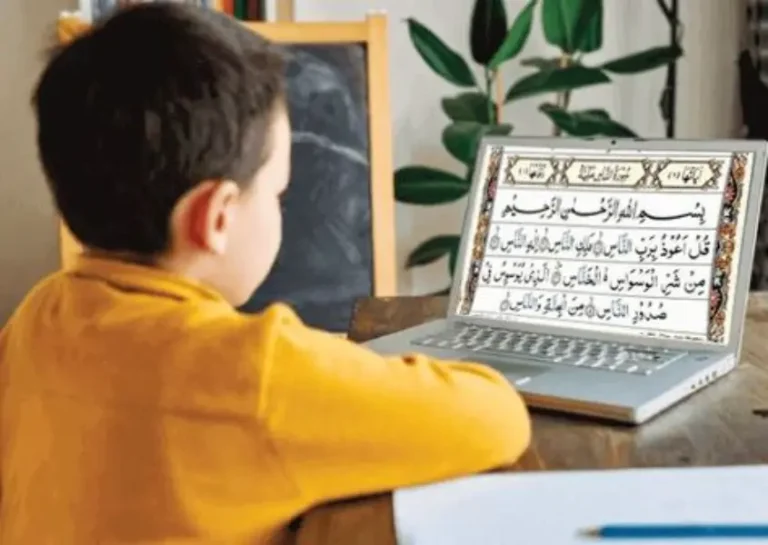
As a parent, choosing the right Quran teacher for your child is one of the most important decisions you will make for their religious education. The right teacher not only builds correct recitation and tajweed but also inspires a lasting love for the Quran while creating a safe, encouraging space for learning. Trust matters: a trusted Quran teacher for kids combines authentic Quranic qualifications with child-centered teaching skills, consistent safety practices, and the ability to motivate young learners. When trust is present, parents feel confident, children thrive, and learning becomes a natural part of family life rather than a chore.
Core qualifications to verify.
Always check for verifiable Quranic credentials such as an Ijazah or equivalent certification from a recognized institution, because these credentials indicate a teacher’s grounding in correct transmission and recitation. Ensure the teacher has clear tajweed expertise and can demonstrate practical knowledge of rules—makharij (points of articulation), sifat (letter characteristics), madd (elongation), ghunnah, and appropriate waqf (stopping) rules. Experience teaching children is essential; a teacher who understands attention spans, age-appropriate exercises, and positive reinforcement will be far more effective with young learners. Also ask for references or testimonials from other parents and look for signs of professionalism such as punctuality, prepared lesson plans, and clear progress reporting.
Child-focused teaching skills matter as much as certification.
Teaching children requires patience, warmth, and the ability to break complex concepts into small, repeatable steps. Trusted teachers use interactive techniques—simple games, short drills, visuals, and storytelling—to keep lessons engaging. They emphasize positive reinforcement and gentle correction rather than harsh discipline, and they adapt pace and methods based on each child’s mood and progress. A good children’s Quran teacher finds ways to make daily practice appealing and manageable, turning repetition into a positive habit.
Safety and safeguarding are non-negotiable.
For in-person lessons, always insist on background checks. For online lessons, confirm that the platform is secure, uses password-protected sessions, and limits access to authorized users. Parents should be able to observe or join lessons, receive regular updates, and access recordings where appropriate. Clear, written policies on cancellations, recording, data protection, and safeguarding complaints are important. Platforms and providers should be transparent about their vetting process and safety protocols so families can learn with confidence.
Curriculum and progress tracking should be structured and measurable.
A trusted teacher uses an age-appropriate curriculum with clear milestones: beginner goals such as letter recognition, basic makharij, and reading short surahs; intermediate goals focusing on fluent recitation and practical tajweed; and hifz pathways that include revision schedules and spaced repetition for long-term retention. Lessons should integrate small, child-friendly tafsir and duas so children connect meaning with practice. Regular progress reports, recorded clips of recitation, and suggested home practice plans help parents see improvement and stay involved. Before committing, ask for a sample lesson plan and an example progress report.
Watch for red flags.
Avoid teachers who cannot verify credentials or refuse to provide references. Beware of inconsistent scheduling or the absence of a clear lesson structure. Be cautious if the teacher uses harsh discipline, shaming, or sets unrealistic expectations for a child’s age. Online providers that do not allow parental visibility into lessons or have opaque session settings should be treated with suspicion. Similarly, pressure to pay large upfront fees without offering a trial lesson is a warning sign.
Questions to ask during a trial or interview.
Ask what certifications the teacher holds and how much experience they have with children of your child’s age. Request a description of a typical 20–30 minute lesson and ask how mistakes are handled and how shy children are encouraged. Confirm whether lessons are recorded and how privacy is protected. Ask what home practice is recommended and how much time per day the teacher expects. Always request to observe a trial lesson or speak with other parents who have worked with the teacher.
Why mentors and community matter—IQRA.com’s approach.
While a single teacher can do a great deal, family success multiplies when the teacher is supported by a mentor and a broader community. Quran mentors provide coaching for parents on home routines, revision techniques, and how to pace siblings. Community features—family halaqas, study buddies, and parent forums—add motivation and practical tips. Shared milestones, badges, recitation nights, and virtual celebrations keep kids excited and parents engaged. Transparent tracking tools and dashboards let parents review recordings, monitor progress, and coordinate with both teacher and mentor.
Getting started:tr ials and short-term commitments.
Always request a trial lesson so you can observe teaching style, rapport with your child, platform security, and the teacher’s ability to provide encouraging feedback. If the trial is successful, begin with a short-term package and set clear, achievable goals for the first month so you can evaluate both progress and fit.
Conclusion.
Finding a trusted Quran teacher for kids means balancing strong Quranic credentials, effective child pedagogy, clear safety practices, structured curriculum, and supportive community and mentorship. Prioritize teachers who combine tajweed mastery with warmth, patience, and creative teaching methods, and seek platforms that offer mentor support and family-focused features to make learning sustainable. If you are ready to find a trusted Quran teacher and benefit from mentor guidance and a supportive community, Join the Community Now at IQRA.com and explore vetted teachers, family-friendly mentors, and guided learning paths designed specifically for kids.