


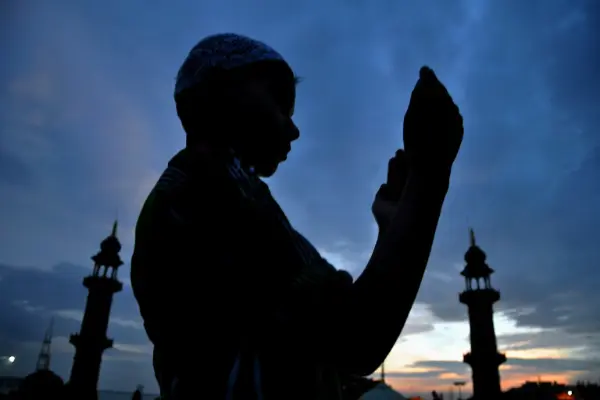
How did the religion of Islam spread? One has to go beyond the widespread assumptions and study the history by using sources. Islam was not spread through force and coercion as it has generally been thought, but through a mixture of faith, morals, justice, peaceful preaching (Daa wah), and a pure human contact. The expansion of Islam in the world is indicative of its universal message and eternal values.
The Early Beginnings of Islam in Makkah
The Revealing and the Foundation of Islam.
The early developments in the history of Islam in Makkah started in the year 610CE when Prophet Muhammad ﷺ was initially awarded his original revelation in the Cave of Hira. This is where the Islamic message began to convey to the humankind to worship Allah and reject the worship of idols. The revelations were about belief, ethical accountability and foreboding of the Hereafter.
Religion and social environment in Makkah.
Makkah was a great religious and trading city before Islam. The Kaaba, which was initially constructed to serve a single God, had been enclosed in idols. The society was characterized by tribal devotion, social inequality, and social activities like injustice against the poor and vulnerable in society. Islam opposed such standards of practices by fostering equality, justice, and compassion.
The Private Call to Islam
The Prophet ﷺ دعوت (Da‘wah) was conducted in the early years privately. He started by inviting his close family members and close friends. The early Muslims were Khadijah bint Khuwaylid (رضي الله عنه), Abu Bakr (رضي الله عنه), Ali ibn Abi Talib (رضي الله عنه), and Zayd ibn Harithah (رضي الله عنه). This phase was aimed at enhancing faith and establishing a good foundation of faith.
The Public Call and Growing Opposition.
Allah sent the Prophet ﷺ to declare Islam publicly several years after. The more the message was spread, the more opposition the Quraysh was getting. They perceived Islam as a threat to their powers, customs, and economic gains. Satire, social stigma, and persecution of Muslims became common.
The early Muslims were persecuted severely as they were subjected to physical abuse, social isolation, and economic boycotts. Regardless, the Prophet ﷺ promoted patience and persistence. Muslims were also taught against retaliation by violence, which reinforced the peacefulness of Islam during its early expansion.
Guidance in the Quran in the Makkan Period.
Disclosures which had been witnessed in the Makkan period were geared towards strengthening the faith, maintaining oneness with Allah, and giving assurance to the faithful. All these verses were concerned with patience, believing in Allah, and the promise of the ultimate justice, and thus Muslims managed to endure.
Importance of the Makkan Period.
The initial stages of the Islamic religion in Makkah were crucial in the formation of the spiritual ability and ethical nature of the Muslim fraternity. This was the time when the basic ideas of Islam were formed, and its future expansion under peaceful ways of propagation, integrity, and uncompromising faith was achieved.
The Role of the Prophet Muhammad ﷺ in Spreading Islam
The Prophet Muhammad ﷺ played the central role in spreading Islam. His mission was not merely to deliver a message but to embody it.
Allah describes his character:
“And indeed, you are of a great moral character.” (Qur’an 68:4)
His honesty, compassion, mercy, and justice attracted people long before they accepted Islam. Many embraced the faith after witnessing his conduct, even among former enemies.
Peaceful دعوت (Da‘wah) and Moral Example
One of the most important ways Islam spread was through peaceful Da‘wah. Da‘wah involves inviting others to Islam with wisdom, kindness, and respectful dialogue.
The Qur’an instructs:
“Invite to the way of your Lord with wisdom and good instruction.” (Qur’an 16:125)
Muslims shared Islam by:
- Teaching ethical behavior
- Helping the poor and oppressed
- Upholding honesty in speech and dealings
This moral example had a profound impact on communities.
The Migration (Hijrah) and Its Impact on the Spread of Islam
The Hijrah or migration was a divinely instructed choice that changed the turning point in the history of Islam significantly. When persecution began to increase in Makkah, Allah allowed the Prophet Muhammad ﷺ and his followers to go to Madinah (which was then referred to as Yathrib). This movement was not an escape, but a strategic move to defend the religion and give Islam a chance to expand and thrive in a safe place.
Reasons Behind the Hijrah
The Muslims of Makkah were also subjected to extreme oppression, such as social boycotts, physical abuse, and threats to their lives. Their freedom to exercise their Islamic religion was highly limited. In the meantime, the Prophet ﷺ was invited by the people of Madinah to rule over them as they pledged to offer protection and support. This provided a platform through which Islam could be practiced freely and as a society.
Welcoming of a Muslim Community in Madinah.
The first Islamic society was created due to the Hijrah. At Madinah, the Prophet ﷺ made brotherhood between the مهاجرون (Muhajirun) and الأنصaر (Ansar) and encouraged them to be united and supportive of each other. Mosques were places of worship, learning, and administration, hence enabling Islam to impact every sphere of everyday life.
Political and Social Effect of the Hijrah.
The Hijrah saw the progression of Islam into a structured group with community and political order, opposed to a persecuted one. The Constitution of Madinah guaranteed fairness, collaboration, and religious liberty between Muslims and non-Muslims. This fair rule appealed to a good number of people towards Islam and enhanced its stance.
Empowering Da‘wah Since the Hijrah.
Madinah promoted effective and peaceful Da’wah in a secure environment. Muslims could be open and teach Islam, engage a dialogue, and show their principles by example. Consequently, Islam swept across the tribes of Arabia.
The Hijrah as a Springboard of Growth.
Treaties, alliances, and diplomatic relations that succeeded were founded on the Hijrah. It allowed Islam to transcend the survival stage to growth through religion, justice, and ethical leadership as opposed to coercion.
The Hijrah and Its Continuing Influence on the Dissemination of Islam.
The Hijrah was such powerful that it was used as the beginning of the Islamic calendar. It had far-reaching effects in its influence on the spread of Islam since it made Islam a living, ordered system which could be practiced, taught, and shared with the rest of the world.
How Did the Religion of Islam Spread in Madinah?
Power and Justice in the Islamic Society.
Madinah was the land where Islam was propagated through the practical application of the Islamic teachings in the day-to-day life. Prophet Muhammad ﷺ formed a just, equal, and mutually obligatory society. The way Islamic principles were practiced in a fair way was observed, and this influenced many people to embrace Islam voluntarily.
The Constitution of Madinah
One of the most significant reasons that led to the spread of the Islamic religion in Madinah was the Constitution of Madinah. The connections between Muslims, the Jews, and other tribes were organized through this treaty guaranteeing the religious freedom and safety. The Prophet leadership demonstrated that Islam was the faith of coexistence and harmony in the society.
Fraternalism between the Muhajjir and Ansar.
Prophet ﷺ created a fraternal connection between the Muhajjirun (emigrants of Makkah) and the Ansar (inhabitants of Madinah). This act erased the tribal barriers and encouraged unity, generosity, and cooperation. This kind of honest social change made a great impression on the rest of society.
Mosque as a Centre of Life.
The state of Madinah mosque served as a place of worship and also as a place of learning consultation and community affairs. The spread of Islam was done in open and receptive forms where individuals would hear about the Islam faith by way of sermons, teaching and dialogue and this allowed the gradual expansion of Islam.
Non-Violent Da’wah and Personal Interaction.
Islam was spread in Madinah by peaceful Da`wah, personal example, and respectful dialogue. Islamic virtues of honesty, mercy, and patience were practiced by the Prophet ﷺ and his companions. Their actions evoked confidence and lured individuals to the religion without coercion and compulsory measures.
Social Welfare and Caring for the weaker.
The act of caring about the poor, the orphans, as well as the needy was essential to the acceptance of Islam. Community responsibility, Zakah, and charity were exercised publicly and displayed Islam as a religion that dealt with the needs of people in society and encouraged kindness.
Conflict resolution with Wisdom and Justice.
The Prophet ﷺ settled disagreements through reason and justice, and this made him a revered figure by both Muslims and non-Muslims. His leadership was just, which made social stability stronger in Madinah and enabled the spread of Islam in the society in a natural and peaceful environment.
Conversion through progressive and voluntary conversion to Islam.
A large number of people who lived in Madinah converted to Islam over a long period, after witnessing Islam being practiced. The fate that saw the religion spread was not by force, but by trust, moral uprightness, and an example experienced, which made Madinah a model Islamic society and a platform where the rest of the Islamic right can further expand.
The Role of Digital Platforms Like Iqra.com in Spreading Knowledge About Islam
In the current time, the propagation of Islam is no longer confined to physical locations like mosques or educational circles. The digital environment has made it possible for platforms such as Iqra.com to continue the tradition of spreading Islamic knowledge and Da‘wah in a manner that is true to the original spirit of Islam, through the power of knowledge, understanding, and voluntary acceptance.
Iqra.com acts as a convenient online resource that assists people in learning about Islam through genuine content, teaching materials, and religious guidance. Like the way Islam expanded in Madinah through close interaction, reasoning, and good conduct, the online sites such as Iqra.com allow people from different parts of the world to learn about Islamic beliefs, history, and values slowly, and that too according to their own pace.
The Spread of Islam Through Trade and Travel
Trade was a significant contributor to the spread of Islam outside Arabia. Muslim merchants were characterized by:
- Honesty Fair business practices
- Respect for local cultures.
Islam spread to areas through trade routes, and these include:
- East Africa
- Southeast Asia
Central Asia
In most regions, no military force was used to spread Islam, just through interaction and trust.
The Role of Muslim Character and Justice
Islam spread rapidly because of the Muslim character. Justice, humility, and kindness were hallmarks of Islamic conduct.
When Muslim rulers governed:
- Religious minorities were protected
- Places of worship were preserved
- Forced conversions were prohibited
This justice led many to voluntarily embrace Islam.
Did Islam Spread by the Sword? An Islamic Perspective
A common misconception is that Islam spread by force. Historically, this claim does not align with facts.
- The Qur’an states: “There is no compulsion in religion.” (Qur’an 2:256)
- Many regions embraced Islam centuries after Muslim rule
- Forced conversion contradicts Islamic teachings
Military conflicts were primarily defensive or political, not tools for conversion.
The Spread of Islam Through Treaties and Diplomacy.
The use of diplomacy was effective in the expansion of Islam. The Prophet ﷺ even wrote letters to the rulers asking them to convert to Islam in a polite way without threats.
Key examples include:
Treaty of Hudaybiyyah
Pacification with tribes and nations.
It is these treaties, that Islam was able to expand in a peaceful and gradual manner.
How Islam Spread Beyond the Arabian Peninsula
Islam spread to the surrounding areas following the Prophet ﷺ in the following ways:
- Governance based on justice
- Cultural integration
- Admiration of the local culture.
Islam was able to adjust to other societies but maintained its original beliefs.
The Spread of Islam in Africa
Islam reached Africa early, beginning with Abyssinia (Ethiopia). Later, Muslim traders and scholars spread Islam across:
- North Africa
- West Africa (Mali, Senegal, Nigeria)
- East African coast
African rulers and communities embraced Islam willingly due to its ethical system.
The Spread of Islam in Asia
Through trade, scholarship and Dawaah, Asia became the land of the most populated Muslim population.
Key regions include:
- India and Pakistan
- Indonesia and Malaysia
- China
In Southeast Asia, particularly, the conversion of Islam was done virtually without violence.
The Spread of Islam in Europe
Islam entered Europe through:
- Spain (Al-Andalus)
- Sicily
- The Balkans
In these regions, Muslims contributed to science, medicine, philosophy, and architecture, influencing European civilization profoundly.
The Role of Scholars and Islamic Education
Scholars played a vital role by:
- Teaching Qur’an and Sunnah
- Establishing schools and universities
- Writing influential Islamic texts
Education helped preserve Islamic teachings and spread understanding.
Why Many People Accepted Islam Voluntarily
People accepted Islam because it:
- Promoted equality
- Addressed social injustice
- Offered spiritual clarity
- Balanced worldly life and the Hereafter
Islam appealed to both the heart and the mind.
Common Misconceptions About How Islam Spread
Some misconceptions include:
- Islam spread only by war
- People were forced to convert
- Islam suppressed other religions
Historical evidence disproves these claims.
Also read about: Showing Gratitude in Islam: Meaning, Quran, and Hadith
Conclusion:
The Islamic faith, character, justice, and peaceful interaction have been the reasons why the religion spread rather than through coercion. Its development is a measure ofthe strength of truth, sincerity, and moral uprightness. Knowledge of this history causes respect, communication, and appreciation of the international heritage of Islam.
FAQs
Did Islam spread peacefully?
Yes, in most regions, Islam spread peacefully through trade, Da‘wah, and moral example.
Were people forced to accept Islam?
No. Forced conversion is forbidden in Islam.
Why did Islam spread so quickly?
Because of its universal message, justice, and ethical appeal.
Is Islam still spreading today?
Yes, Islam continues to grow through education, dialogue, and personal conviction.