


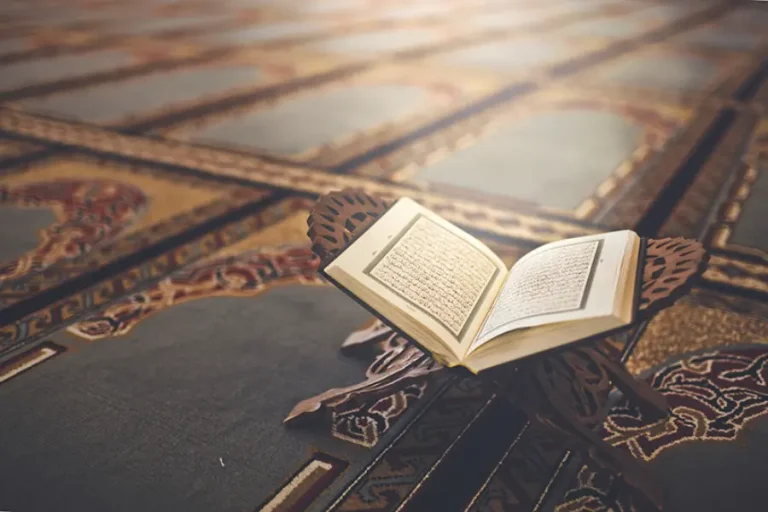
The Quran forms the final reference book of Muslims, which gives them spiritual, moral, and practical guidance in all areas of their life. One of its recurrent themes is the call to peace: peace with oneself, peace with others, and peace with God. This demonstrates that peace is not marginal, but it is at the heart of the religion. We will discuss the peace quotations from the quran here.
Why is Islam the Religion of Peace?
Peace in Islam is not only the lack of struggle; it is the substance of faith. Islam, as a term, is based on the root of salam, meaning peace, safety, and wholeness. A Muslim is a person who submits to Allah and is at peace with the heart, which is then projected to others. The Quran reminds us that Allah is As-Salaam, the Giver of Peace, and He calls people to the Home of Peace (Quran 10:25). The peace that Islam is supposed to be founded on is justice, mercy, and compassion, and where life is to be honored and the soul is entitled to dignity. This was the case of Prophet Muhammad (peace be upon him), who was forgiving of his enemies and brought mercy wherever he went. To be a Muslim means to be aiming at harmony with Allah, with self, and with creation. The Islamic religion says that there can be no faith without peace and no peace without faith.
Concept of Peace in the Quran
Peace is a very significant theme of the Quran and constitutes the central theme of the Islamic religion, as the religion is concerned with peace and harmony, justice, and compassion. The Arabic word silm, meaning peace, safety, and submission, is the background of the very word Islam. In this way, a Muslim is not only able to find tranquility of the heart by submitting to the will of Allah, but also will be shown to live peacefully with others. The peace in the Quran is not the absence of conflict, but a comprehensive condition of justice, mercy, and well-being that encompasses the key spheres of life: personal, social, and spiritual.
Peace as a Divine Attribute
The Quran tells believers that Allah Himself is As-Salaam – the source of peace (Surah Al-Hashr 59:23). This Godly name depicts how peace is created by Allah and restored to him. As such, peace-making is more than a social or moral obligation, but is also a form of worship and a demonstration of God’s will. Only by remembering Allah and following his guidance can a human being be truly serene:
Believers whose hearts are guaranteed by the memory of Allah. Without a doubt, through the memory of Allah, souls are at ease. (Surah Ar-Ra’d 13:28)
Peace of the Heart and the Calmness of the Soul.
It is in the Quran where it is stated that peace starts in the soul. The heart that has faith, humility, and trust in Allah has a strong feeling of peace that cannot be disturbed by worldly issues. This spiritual calmness enables believers to take adversity with patience and treat other people who live in the world with gentleness. Peace is therefore based on faith and on a consciousness of Allah (taqwa).
Tranquility and Inner peace.
The Quran stresses the fact that peace starts in the soul. When a heart is full of faith, humility, and trust in Allah, a clear sense of peace is felt inside the heart that cannot be disturbed by worldly things. This spiritual calm enables the believers to be patient in the face of adversity and to deal with others in a soft manner. Real peace is therefore based on faith and a consciousness of Allah (taqwa).
Social Peace and Justice
The Quran emphasizes peace within society as well. It challenges the faithful to end conflicts in a just manner, to uphold justice even with those who are enemies, and to defend the weak. In the absence of a just system, there will be no peace. This balance has been stressed in one verse:
O ye that believed, stand constantly firm in justice, bear witness to Allah, though it be of your own persons or parents and kin.
By associating peace with justice, the Quran demonstrates that peace is not inactive, but one has to engage in its practice through fairness, honesty, and compassion.
Harmonious Coexistence with others.
The Quran teaches Muslims to lean towards peace, therefore. Reconciliation and the termination of hostilities are always preferred, even in time of conflict:
And when they are disposed to peace, then be disposed to it [as well] and trust in Allah. (Surah Al-Anfal 8:61)
This proves that the Islamic religion promotes dialogue, forgiveness, and trust building as opposed to hostility that takes too long. Non-violent co-existence is perceived as an obligation to other Muslims as well as non-Muslims.
Immortal Peace in the Hereafter.
Lastly, peace is the last reward to be mentioned in the Quran as the ultimate reward in the afterlife. Paradise is said to be a state of everlasting peace with no hatred, fear, or pain. This is indicated in the welcoming of the angels to the righteous:
Their reception on the Day that they will meet Him will be Peace. And He has given them a great reward.
Peace Quotations from the Quran
Below are more than 30 Qur’anic quotations about peace. Each includes the Arabic, transliteration, English translation, and a short meaning/explanation.
- Surah Yunus 10:25
- Arabic:
- وَاللَّهُ يَدْعُو إِلَىٰ دَارِ السَّلَامِ وَيَهْدِي مَن يَشَاءُ إِلَىٰ صِرَاطٍ مُّسْتَقِيمٍ
- Transliteration:
- Wallahu yad khaymi ila dari-s-salami yahd khaymi ila ṣirati mustaqimi.
- Translation:
- It is true that Allah invites to the Home of Peace and directs whom He pleases to the right path.
- Surah Al-Furqan 25:63
- Arabic:
- وَعِبَادُ الرَّحْمَٰنِ الَّذِينَ يَمْشُونَ عَلَى الْأَرْضِ هَوْنًا وَإِذَا خَاطَبَهُمُ الْجَاهِلُونَ قَالُوا سَلَامًا
- Transliteration:
- Wa ‘ibādur-raḥmāni alladhīna yamshūna ‘ala-l-arḍi hawnan wa idhā khāṭabahumu-l-jāhilūna qālū salāmā.
- Translation:
- “And the servants of the Most Merciful are those who walk upon the earth gently, and when the ignorant address them harshly, they say [words of] peace.”
- Surah Al-Qasas 28:55
- Arabic:
- وَإِذَا سَمِعُوا اللَّغْوَ أَعْرَضُوا عَنْهُ وَقَالُوا لَنَا أَعْمَالُنَا وَلَكُمْ أَعْمَالُكُمْ سَلَامٌ عَلَيْكُمْ لَا نَبْتَغِي الْجَاهِلِينَ
- Transliteration:
- Wa idh a laqi sami action-l-lghwa a anhu waqal a laqi lanun a anhu a sala mnmun alaykum lwa nabtaghii-l-jahiliin.
- Translation:
- And when they hear evil talking, they flee of it, and say, For our is our speech, and For your is thy speech. Peace be unto you: we want not the ignorant.
- Surah Al-Anfal 8:61
- Arabic:
- وَإِن جَنَحُوا لِلسَّلْمِ فَاجْنَحْ لَهَا وَتَوَكَّلْ عَلَى اللَّهِ ۚ إِنَّهُ هُوَ السَّمِيعُ الْعَلِيمُ
- Transliteration:
- Wa janaziy raq in-s-silmi li-s-sialmi fa-jnaah lah2 wa tawakkal al-llah, innuhu huwa-s-samii-l-s-salim.
- Translation:
- And lastly, when they tend to peace, they tend to trust in Allah. This is true. He is the Hearing, the Knowing.
- Surah Al-Baqarah 2:83
- Arabic:
- وَقُولُوا لِلنَّاسِ حُسْنًا
- Transliteration:
- Wa qūlū li-n-nāsi ḥusnā.
- Translation:
- and talk to men with good words.
- Surah Fussilat 41:34
- Arabic:
- ادْفَعْ بِالَّتِي هِيَ أَحْسَنُ فَإِذَا الَّذِي بَيْنَكَ وَبَيْنَهُ عَدَاوَةٌ كَأَنَّهُ وَلِيٌّ حَمِيمٌ
- Transliteration:
- Idfa‘ bi-llatī hiya aḥsanu fa idhā-lladhī baynaka wa baynahu ‘adāwatun ka-annahu waliyyun ḥamīm.
- Translation:
- “Repel [evil] by that [deed] which is better; and thereupon the one whom between you and him is enmity will become as though he were a devoted friend.”
- Surah Ash-Shura 42:40
- Arabic:
- فَمَنْ عَفَا وَأَصْلَحَ فَأَجْرُهُ عَلَى اللَّهِ ۚ
- Transliteration:
- Faman a-afa wa a-salaqi fa-ajruhu a-llah.
- Translation:
- The reward of whoever forgives and makes reconciliation is with Allah.
- Surah Al-Hujurat 49:10
- Arabic:
- إِنَّمَا الْمُؤْمِنُونَ إِخْوَةٌ فَأَصْلِحُوا بَيْنَ أَخَوَيْكُمْ ۚ وَاتَّقُوا اللَّهَ لَعَلَّكُمْ تُرْحَمُونَ
- Transliteration:
- Innamaa-l-mu minna ikwatun fa-a Salihoo bayna a akhawaykum wa-ttaqung-llah la-aakhum taruhmo.
- Translation:
- The believers are brothers; therefore reconcile between your brethren. And take heed unto Allah lest he have mercy on you.
- Surah Al-Hujurat 49:13
- Arabic:
- يَا أَيُّهَا النَّاسُ إِنَّا خَلَقْنَاكُم مِّن ذَكَرٍ وَأُنثَىٰ وَجَعَلْنَاكُمْ شُعُوبًا وَقَبَائِلَ لِتَعَارَفُوا ۚ إِنَّ أَكْرَمَكُمْ عِندَ اللَّهِ أَتْقَاكُمْ ۚ
- Transliteration:
- Y ayyuhÄ-n-nasi innA khalaqnakum min dhakarin wa unth2a wa jaoknakum shu akan=i wa qab a ila lie ka a madh takaqwakum, inna akramakum atqaka ummadh.
- Translation:
- O ye men, nay, We have made you of male and female and have made ye peoples and tribes that ye may know each other. And the most high of you in the eyes of Allah is the most righteous of you.
- Surah Al-Anbiya 21:107
- Arabic:
- وَمَا أَرْسَلْنَاكَ إِلَّا رَحْمَةً لِّلْعَالَمِينَ
- Transliteration:
- Wa mn fsaln nta illa la-Rahmatan li-l-AAalmiin.
- Translation:
- And we have not sent you, [O Muhammad], with the purpose of mercy to the worlds.
- Surah Fussilat 41:30–31
- Arabic:
- إِنَّ الَّذِينَ قَالُوا رَبُّنَا اللَّهُ ثُمَّ اسْتَقَامُوا تَتَنَزَّلُ عَلَيْهِمُ الْمَلَائِكَةُ أَلَّا تَخَافُوا وَلَا تَحْزَنُوا وَأَبْشِرُوا بِالْجَنَّةِ الَّتِي كُنتُمْ تُوعَدُونَ * نَحْنُ أَوْلِيَاؤُكُمْ فِي الْحَيَاةِ الدُّنْيَا وَفِي الْآخِرَةِ
- Transliteration:
- Inna-lladhīna q2l2Mubarak-rahi rabbun2Mubarak-rahi thumma-staq2watanazzalu tlhatiyhimu-l-mal2kuntum t2Mubarak-rahi t2Mubarak-rahi t2Mubarak-rahi t2Mubarak-rahi t2Mubarak-rahi t2Mubarak-rahi t2Mubarak-rahi t2Mubarak-rahi t Na khayyamawliyayyukum fii-l-hayaati-d-dunyaa wa fii-l-akhirah.
- Translation:
- Verily, that is a saying of those who say, Our Lord is Allah and then were devoted, the angels descended to them (saying), Do not fear and do not grieve, but are good tidings of Paradise which thou was promised. These were our comrades in worldly life and in the Hereafter.
- Surah Yunus 10:63–64
- Arabic:
- الَّذِينَ آمَنُوا وَكَانُوا يَتَّقُونَ * لَهُمُ الْبُشْرَىٰ فِي الْحَيَاةِ الدُّنْيَا وَفِي الْآخِرَةِ ۚ لَا تَبْدِيلَ لِكَلِمَاتِ اللَّهِ ۚ ذَٰلِكَ هُوَ الْفَوْزُ الْعَظِيمُ
- Transliteration:
- Alladhīna āmanū wa kānū yattaqūn * lahumu-l-bushrā fī-l-ḥayāti-d-dunyā wa fī-l-ākhirah, lā tabdīla likalimāti-llāh, dhālika huwa-l-fawzu-l-‘aẓīm.
- Translation:
- “Those who believed and were fearing Allah – for them are good tidings in the worldly life and in the Hereafter. No change is there in the words of Allah. That is the great attainment.”
- Surah Al-Ma’idah 5:8
- Arabic:
- وَلَا يَجْرِمَنَّكُمْ شَنَآنُ قَوْمٍ عَلَىٰ أَلَّا تَعْدِلُوا ۚ اعْدِلُوا هُوَ أَقْرَبُ لِلتَّقْوَىٰ ۖ
- Transliteration:
- Wa lā yajrimannakum shana’ānu qawmin ‘alā allā ta‘dilū, i‘dilū huwa aqrabu li-t-taqwā.
- Translation:
- “Do not let the hatred of a people prevent you from being just. Be just; that is nearer to righteousness.”
- Surah Maryam 19:96
- Arabic:
- إِنَّ الَّذِينَ آمَنُوا وَعَمِلُوا الصَّالِحَاتِ سَيَجْعَلُ لَهُمُ الرَّحْمَٰنُ وُدًّا
- Transliteration:
- Inna abu Wahhabi maniyya Wahhabi amlu-SSWluhu r-Rahtu marbah.
- Translation:
- Those who have believed and performed good deeds; nay, the Most Merciful will design them affection.
- Surah Al-Isra 17:24
- Arabic:
- وَاخْفِضْ لَهُمَا جَنَاحَ الذُّلِّ مِنَ الرَّحْمَةِ وَقُل رَّبِّ ارْحَمْهُمَا كَمَا رَبَّيَانِي صَغِيرًا
- Transliteration:
- Wakhfiḍ lahumā janāh-dh-dhulli mina-r-rahmih wa qul rabbir 0hamhumā kamā rabbayaynii ṣaghaimh.
- Translation:
- And put down unto them the wing of humility in mercy and say, My lord, have mercy upon them as they were the ones that raised me up [when I was] small.
- Surah Al-Isra 17:26
- Arabic:
- وَآتِ ذَا الْقُرْبَىٰ حَقَّهُ وَالْمِسْكِينَ وَابْنَ السَّبِيلِ وَلَا تُبَذِّرْ تَبْذِيرًا
- Transliteration:
- Wa āti dhā-l-qurbā ḥaqqahu wa-l-miskīna wa-bna-s-sabīli wa lā tubadhdhir tabdhīrā.
- Translation:
- “And give the relative his right, and [also] the poor and the traveler, and do not spend wastefully.”
- Surah Al-Isra 17:33
- Arabic:
- وَلَا تَقْتُلُوا النَّفْسَ الَّتِي حَرَّمَ اللَّهُ إِلَّا بِالْحَقِّ ۗ
- Transliteration:
- Wa l antaqtul-n nafsa-llatif harramallah illa bi-l haqq.
- Translation:
- And take not the soul which Allah has proscribed, but in right.
- Surah Al-Isra 17:70
- Arabic:
- وَلَقَدْ كَرَّمْنَا بَنِي آدَمَ وَحَمَلْنَاهُمْ فِي الْبَرِّ وَالْبَحْرِ وَرَزَقْنَاهُم مِّنَ الطَّيِّبَاتِ وَفَضَّلْنَاهُمْ عَلَىٰ كَثِيرٍ مِّمَّنْ خَلَقْنَا تَفْضِيلًا
- Transliteration:
- Wa laqad karramnā banī ādama wa ḥamalnāhum fī-l-barri wa-l-baḥri wa razaqnāhum mina-ṭ-ṭayyibāti wa faḍḍalnāhum ‘alā kathīrin mimman khalaqnā tafḍīlā.
- Translation:
- “And We have certainly honored the children of Adam and carried them on the land and sea and provided for them of the good things and preferred them over much of what We have created, with [definite] preference.”
- Surah Ar-Rahman 55:9
- Arabic:
- وَأَقِيمُوا الْوَزْنَ بِالْقِسْطِ وَلَا تُخْسِرُوا الْمِيزَانَ
- Transliteration:
- Wa aq in mujtahid light thi kisati wa nal tukh sirnt.
- Translation:
- And bring weight in justice and do not weigh the deficient the balance.
- Surah Aal-Imran 3:103
- Arabic:
- وَاعْتَصِمُوا بِحَبْلِ اللَّهِ جَمِيعًا وَلَا تَفَرَّقُوا
- Transliteration:
- Wa Tastaqim bi-Habli-llahi jamusi wa la Tafarraq.
- Translation:
- And cling all together to the rope of Allah and do not be separated.
Hadith about Peace in Islam
The Prophet Muhammad (peace be upon him) frequently linked faith to peace:
- “The Muslim is the one from whose tongue and hand the people are safe.” (Sahih al-Bukhari, Sahih Muslim)
- “Spread peace among yourselves.” (Sahih Muslim)
These Hadith echo the Qur’an’s call to make peace a practical part of daily life.
You Cannot Hate And Be A Muslim
You Cannot Hate and Be a Muslim is not just a phrase, but the reflection of what Islam really is. A heart full of hatred will not be able to bear faith because Islam was established on Love, mercy, and compassion. There is a teaching by the Prophet Muhammad ﷺ that a believer is a person whose words and hands are safe. Hatred is soul poison, heart-blind, and alienates us from the light of Allah. Having said that, a Muslim is instructed to forgive, reconcile, and propagate peace even when wronged. Bitterness and malice are against the zeitgeist of fraternity that links the Ummah. Vengeance is not strength; rather, to forgive the anger in the name of Allah. Being Muslim means to love, love your creator, love people, and love your fellow believer. Hate kills faith, love glorifies Islam.
Educational Role of Quranic Verses
The Quran is not merely a book of worship, but it is also a book of lifelong guidance and education. Its verses educate the believers on how to live with faith, morale, and wisdom. It informs the heart and mind with the effects of action, the essence of justice, and the worth of compassion through narratives of former countries, orders, and lessons of morals.
The verses in the Quran promote thought, history, and reflection. They lead people to be patient, honest, and responsible, and help to shape personal character and the behavior of the community. Investigation of knowledge is also highlighted in the Quran as the Muslims are reminded that real learning relates human wisdom with that of God.
Simply put, the Quran is an educative book that encourages them to improve themselves, foster good morals, and gives them guidelines which enable them and societies to live in peace, justice, and harmony.
Role of Individuals in Promoting Peace and Justice
Peace and justice are initiated in persons. In Islam, no individual is supposed to live without honesty, fairness, and compassion. When they decide to forgive instead of being angry, to tell the truth instead of falsehood, to respect instead of harming, people bring peace to their family and society.
The Quran challenges those who profess to be believers to be just even to oneself, and the Prophet Muhammad (peace be upon him) influenced that even the simplest of actions, such as a smile, extends good. Every individual fosters peace by being just in transactions, kind in speech, and bold in resisting and disturbing the oppressors.
People who live in accordance with these values will bring the entire society a step towards peace and justice.
How does the Qur’an connect peace with family and community relationships?
The Quran puts the centre of the family and community life on peace, and it demonstrates that justice, mercy, and compassion in close relationships are the starting point of harmony between the people. It teaches about how the absence of fighting is not the only form of the so-called peace, but mutual respect, benevolence, and justice, as well.
Family Peace:
The Quran teaches of mercy and love between a man and a wife: “And of His signs is that He gave you out of your own your mates, who that you may take repose in them, and gave ye between you affection and mercy (30:21). Marriage is brought out as a means of sukoon (calmness), granting each other rights and duties to balance and honor. Parents are encouraged to be merciful to children, and children are directed to treat and take care of their parents (17:2324). These lessons make family peace a turn of Godly mercy.
Community Peace:
The Quran tells people not to divide and be hostile: And keep to the rope of Allah all together and do not disperse (3:103). It calls upon reconciliation in the case of a dispute: “Indeed, the believers are only brothers and therefore be at peace among your brothers (49:10). Pardon, patience, and mercy are put forward as bases towards conflict resolution and enhancement of solidarity.
Justice as the Basis of Peace:
Justice cannot be expressed outside peace in families and communities. The Quran tells of fairness repeatedly: Allah commands justice and good practice and giving to relatives and forbids immorality and oppression (16:90). When justice is practiced, there is no resentment between relationships, and this leads to a stable relationship of trust.
Basically, the Quran associates peace to love within the family, brotherhood within communities, and justice in any transactions. It demonstrates the fact that peace is not an inactive process but a proactive one in terms of compassion, forgiveness, and justice in everyday life.
Efforts Towards Peacebuilding Inspired by Quranic Verses
Peacebuilding efforts that are motivated by the Quran focus on the strong relationship among faith, justice, and human dignity. The Quran presents principles of guidance that turn peace into a reality to be lived instead of an abstract concept in personal, social, and global spheres.
- Promoting Reconciliation
The Quran threatens the faithful to settle conflicts:
The believers are only brothers, so reconcile among your brothers (49:10).
This verse not only considers reconciliation as an option but a religious obligation that Muslims should use in mending the gaps in families, communities, and societies.
- Learning to Be Forgivable and Merciful.
The Quran encourages forgiveness even when offended:
Drive away evil by what is better and thou shalt see that he with whom thou was enraged shall become thy as tight friend (41:34).
It creates bridges to hostility and dispels hostile cycles by reminding people to react to them with patience and kindness.
- Upholding Justice
Justice cannot be separated from true peace. The Qur’an declares:
Are you not just because people hate you? Be righteous; that is closer to justice” (5:8).
This principle makes justice fair, including to the opponents, which makes justice the foundation of sustainable peacebuilding.
- Recommending empathy and Social solidarity.
The Quran is pervaded with the call to help the weak ones:
And they feed, despite love for it, the poor, the orphan, and the captive (76:8).
Charitable and solidarity acts encourage the feeling of trust, decrease inequality, and establish an environment of social harmony.
- Promoting Unity
The Quran urges the power of unity:
And cling together to the rope of Allah and do not be divided (3:103).
The lesson of this verse is that division and strife are repelled by unity of heart based on a common set of values.
Global Impact of Quranic Verses on Peace and Justice
From early Muslim societies to modern organizations, Qur’anic teachings about peace have shaped law, human rights, and international dialogue.
Does the Qur’an describe paradise (Jannah) as a place of peace, and what verses highlight this?
Yes. Paradise is repeatedly described as a land of peace:
- “For them will be the home of peace with their Lord.” (6:127)
- “Enter in peace, secure.” (15:46)
- “Peace! A word from the Merciful Lord.” (36:58)
What lessons can modern Muslims draw from these peace quotations to promote harmony in today’s world?
- Always choose forgiveness over retaliation.
- Engage in dialogue rather than conflict.
- Be ambassadors of peace in workplaces, families, and communities.
- Promote justice, because peace cannot exist without fairness.
Conclusion
The concept of peace, as in the Quran, is not abstract but a reality that is lived. It is in the welcoming of Muslims, in justice laws, forgiveness of adversaries, and eternal happiness in heaven. The above 30+ verses demonstrate that peace is not only a divine gift but also a duty of a human being. A Muslim cannot profess to believe in spreading hatred and harm, and true Islam is peace.
FAQs
Q1: What is the main message of peace in the Qur’an?
That peace with God and creation is central to faith, achieved through justice, compassion, and mercy.
Q2: How many times does the word Salaam appear in the Qur’an?
It appears more than 40 times in various forms, highlighting its importance.
Q3: Does Islam allow war?
Yes, only in self-defense or to end oppression. Even then, the Qur’an instructs to return to peace when the enemy seeks it.
Q4: What is the Islamic greeting of peace?
“As-salaamu ‘alaykum” (Peace be upon you), which reflects the Qur’anic emphasis on spreading peace.
Q5: How is Paradise described in relation to peace?
Paradise is called Dar al-Salaam (Abode of Peace), where believers enjoy eternal safety, harmony, and God’s mercy.